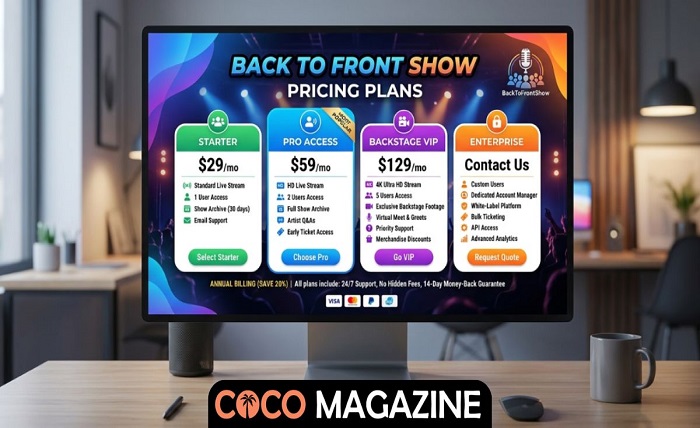
Introduction
Backtofrontshow pricing has become a popular topic among users who are researching the platform and trying to understand its overall value. Whether you are a beginner, a business owner, a content creator, or someone looking for advanced features, understanding backtofrontshow pricing is essential before making a purchasing decision.
Many users compare different platforms based on features, scalability, customer support, and affordability. In that comparison process, backtofrontshow pricing often becomes one of the most important factors. A well-structured pricing model can help users maximize value while staying within budget.
When evaluating backtofrontshow pricing, it is important to look beyond the monthly subscription fee. Features, integrations, support options, and future scalability all play a role in determining whether the platform provides a good return on investment.
This comprehensive guide explains everything you need to know about backtofrontshow pricing, helping you make an informed decision.
Understanding the Structure of Backtofrontshow Pricing
The first step in analyzing backtofrontshow pricing is understanding how the pricing structure is designed. Most modern digital platforms offer multiple tiers to accommodate different user needs, and backtofrontshow pricing is generally evaluated in the same way.
A typical pricing structure includes entry-level plans, mid-tier packages, and premium options. The purpose of this model is to allow users to choose a plan that matches their requirements and budget. As businesses grow, they can often upgrade without changing platforms.
One reason why backtofrontshow pricing attracts attention is its potential flexibility. Users often prefer platforms that provide multiple options rather than forcing everyone into a single pricing model.
Another important aspect of backtofrontshow pricing is transparency. Clear pricing information helps customers understand exactly what they are paying for and reduces confusion during the purchasing process.
Before subscribing, users should carefully compare available features under each tier. This approach ensures they select the most suitable backtofrontshow pricing package for their needs.
Features Included in Backtofrontshow Pricing Plans
When discussing backtofrontshow pricing, features are just as important as the actual cost. A low-priced plan may not always provide the best value if it lacks essential functionality.
Many users evaluate backtofrontshow pricing by looking at the features included in each package. These may include analytics tools, customization options, integrations, user management capabilities, reporting dashboards, and customer support services.
The value of backtofrontshow pricing increases when the platform offers features that would otherwise require additional third-party tools. Combining multiple capabilities into a single subscription can significantly reduce overall operating costs.
Users should also consider whether advanced features are reserved for premium plans. In some cases, paying slightly more for enhanced functionality may result in greater productivity and efficiency.
A key advantage often associated with backtofrontshow pricing is the ability to select a plan based on actual requirements rather than paying for unnecessary features.
Ultimately, the best backtofrontshow pricing option is the one that delivers the highest value relative to your goals and usage patterns.
Factors That Influence Backtofrontshow Pricing
Several factors can affect backtofrontshow pricing, making it important for users to understand what drives costs. Pricing is rarely determined by a single element.
One common factor influencing backtofrontshow pricing is the number of users. Many software platforms charge based on team size, which allows smaller organizations to pay less while larger enterprises contribute more.
Feature access is another major factor behind backtofrontshow pricing. Basic plans typically include essential tools, while premium packages unlock advanced capabilities designed for professional users.
Storage capacity can also impact backtofrontshow pricing. Users who need large amounts of data storage may require higher-tier plans with expanded limits.
Customer support options frequently influence backtofrontshow pricing as well. Premium subscribers may receive faster response times, dedicated account managers, or priority assistance.
Integration capabilities represent another consideration. Platforms that connect with multiple external applications often structure backtofrontshow pricing around the level of integration access provided.
Understanding these variables helps users evaluate whether a particular backtofrontshow pricing plan aligns with their operational requirements.
Comparing Backtofrontshow Pricing with Competitors
A useful way to evaluate backtofrontshow pricing is by comparing it with competing solutions. This comparison provides insight into whether the platform offers competitive value within its market segment.
Many users begin by creating a list of competing platforms and comparing features side by side. During this process, backtofrontshow pricing can be analyzed based on affordability, feature availability, scalability, and customer support quality.
In some situations, backtofrontshow pricing may appear higher than alternatives. However, a higher price does not necessarily mean lower value. Additional functionality, better performance, or stronger support can justify the difference.
Conversely, if backtofrontshow pricing is lower than competing options, users should investigate whether essential features are missing or restricted.
Another important comparison factor is long-term cost. Some platforms offer attractive introductory rates but become expensive after renewal. Evaluating the full lifecycle cost helps determine whether backtofrontshow pricing remains competitive over time.
Organizations seeking sustainable growth should focus on overall value rather than selecting a platform solely based on the lowest price.
Benefits of Choosing Backtofrontshow Pricing Plans
One of the reasons people research backtofrontshow pricing is to understand the benefits associated with different subscription options. Pricing plans are often designed to address specific user needs.
A major benefit of backtofrontshow pricing is flexibility. Multiple plan levels allow users to start small and upgrade as their requirements increase.
Scalability is another significant advantage. Businesses that experience growth can typically expand their usage without migrating to a new platform. This makes backtofrontshow pricing attractive for organizations planning long-term development.
Predictable costs also contribute to the appeal of backtofrontshow pricing. Subscription-based models help organizations forecast expenses and maintain budget control.
Another benefit is access to ongoing updates. Many modern platforms include software improvements and feature enhancements within the subscription cost, increasing the value of backtofrontshow pricing over time.
Users often appreciate centralized functionality as well. When a single platform handles multiple tasks, operational complexity decreases and efficiency improves.
These benefits collectively make backtofrontshow pricing an important consideration for individuals and businesses seeking a reliable solution.
Tips for Getting the Best Value from Backtofrontshow Pricing
Maximizing value from backtofrontshow pricing requires more than simply choosing the cheapest option. Strategic plan selection can significantly improve results.
The first tip is to assess actual requirements before subscribing. Understanding usage needs helps users select the most appropriate backtofrontshow pricing package.
Another recommendation is to take advantage of trial periods if available. Testing the platform allows users to determine whether the features justify the associated backtofrontshow pricing costs.
Users should also monitor feature usage over time. If certain premium capabilities remain unused, downgrading to a lower-tier backtofrontshow pricing plan may reduce expenses.
Annual billing can often provide savings compared to monthly subscriptions. Exploring payment options helps maximize the value of backtofrontshow pricing.
Training team members is another effective strategy. Proper utilization of available tools increases productivity and ensures users gain the full benefit of their chosen backtofrontshow pricing package.
Regularly reviewing platform updates is equally important. New features may enhance the overall value proposition and improve return on investment.
By following these strategies, users can optimize their experience while controlling costs.
Future Trends in Backtofrontshow Pricing
The digital software market continues to evolve, and backtofrontshow pricing may adapt to changing customer expectations. Understanding emerging trends helps users anticipate future developments.
One trend affecting backtofrontshow pricing is increased personalization. Platforms are increasingly offering customized packages tailored to individual business needs.
Usage-based billing is another growing trend. Rather than paying fixed subscription fees, some customers prefer costs that align directly with usage levels. This approach may influence future backtofrontshow pricing strategies.
Artificial intelligence integration is also becoming more common. As advanced automation tools are introduced, backtofrontshow pricing structures may evolve to reflect these enhanced capabilities.
Customer demand for transparency continues to rise. Future backtofrontshow pricing models are likely to emphasize clearer feature descriptions and more predictable billing structures.
Another emerging trend involves hybrid subscription plans that combine fixed pricing with scalable usage options. Such innovations could make backtofrontshow pricing more flexible and attractive to diverse customer groups.
Keeping an eye on these developments allows users to make smarter purchasing decisions and adapt to market changes effectively.
Conclusion
Understanding backtofrontshow pricing is essential for anyone considering the platform. A thorough evaluation involves examining pricing structures, available features, scalability, support options, and long-term value. While cost is an important factor, the true worth of backtofrontshow pricing lies in the benefits and functionality provided.
By comparing plans, assessing business needs, and considering future growth, users can identify the most suitable backtofrontshow pricing option. Taking the time to analyze value rather than focusing solely on cost leads to better decisions and a stronger return on investment.
Whether you are a beginner or an experienced professional, understanding backtofrontshow pricing can help you choose the right plan and maximize the benefits of the platform.
FAQs
1. What is backtofrontshow pricing?
Backtofrontshow pricing refers to the cost structure associated with accessing the platform’s services, features, and subscription plans.
2. Is backtofrontshow pricing suitable for small businesses?
Yes, many users evaluate backtofrontshow pricing because flexible plans can often accommodate both individuals and small businesses.
3. How can I choose the right backtofrontshow pricing plan?
The best backtofrontshow pricing plan depends on your budget, feature requirements, team size, and expected growth.
4. Does backtofrontshow pricing include customer support?
Most discussions around backtofrontshow pricing include customer support as part of the value proposition, though support levels may vary by plan.
5. How can I maximize value from backtofrontshow pricing?
To maximize backtofrontshow pricing value, select the appropriate plan, use available features effectively, monitor usage, and review updates regularly.