Introduction
Many people search online for chaudas kab hai whenever an important Hindu festival or fasting day approaches. The term Chaudas refers to Chaturdashi, which is the fourteenth day of the lunar fortnight in the Hindu calendar. Knowing chaudas kab hai is important because several religious observances, including Narak Chaturdashi, Masik Shivaratri, and Anant Chaturdashi, fall on Chaturdashi tithi.
When devotees ask chaudas kab hai, they are usually looking for the exact date, timing, and significance of the Chaturdashi tithi. Since Hindu festivals follow the lunar calendar, the date changes every month, making it essential to check a reliable Panchang before observing rituals.
What Does Chaudas Mean in the Hindu Calendar?
The question chaudas kab hai can only be understood properly when we know the meaning of Chaudas. In Hindu tradition, Chaudas is another commonly used name for Chaturdashi. It is the fourteenth lunar day that occurs twice every month—once during Shukla Paksha and once during Krishna Paksha.
People often search chaudas kab hai because different regions of India use local names for lunar dates. While scholars and Panchang makers use the term Chaturdashi, many households refer to it simply as Chaudas.
The importance of chaudas kab hai becomes even greater during major festivals because specific rituals are performed according to the timing of Chaturdashi. Following the correct tithi is considered essential for obtaining spiritual benefits.
Why Do People Search for Chaudas Kab Hai?
The keyword chaudas kab hai becomes highly popular before major Hindu festivals. Devotees want to know the exact date so they can prepare for fasting, temple visits, charitable activities, and family celebrations.
Many people search chaudas kab hai before Diwali because Narak Chaturdashi is celebrated on Chaudas. This day symbolizes the victory of good over evil and is observed with prayers, oil baths, and festive preparations.
Another reason people search chaudas kab hai is Masik Shivaratri. Every month, devotees of Lord Shiva observe fasts and perform special worship on Krishna Paksha Chaturdashi. Therefore, knowing chaudas kab hai helps them plan their religious observances properly.
Families also search chaudas kab hai when organizing rituals for ancestors, special prayers, and temple ceremonies. The timing of Chaturdashi can influence the schedule of these sacred events.
Religious Importance of Chaudas
Understanding chaudas kab hai is important because Chaturdashi has deep religious significance in Hinduism. It is considered a spiritually powerful day associated with devotion, purification, and divine blessings.
When discussing chaudas kab hai, it is worth noting that Lord Shiva is especially worshipped on Chaturdashi. Many temples witness large gatherings of devotees who offer milk, water, bilva leaves, and prayers to seek blessings.
The importance of chaudas kab hai is also connected to spiritual discipline. Devotees often observe fasting, meditation, and chanting to strengthen their connection with the divine.
Ancient scriptures mention that observing Chaturdashi with sincerity can help devotees overcome negative influences and move toward spiritual growth. This is another reason why people frequently ask chaudas kab hai before important religious occasions.
Major Festivals Celebrated on Chaudas
Narak Chaturdashi
One of the most famous occasions linked to chaudas kab hai is Narak Chaturdashi. Celebrated during the Diwali season, this festival commemorates the victory of Lord Krishna over the demon Narakasura.
When people search chaudas kab hai, they often want to confirm the date of Narak Chaturdashi because it plays a major role in Diwali festivities. Traditional oil baths, prayers, and festive preparations are common on this day.
Anant Chaturdashi
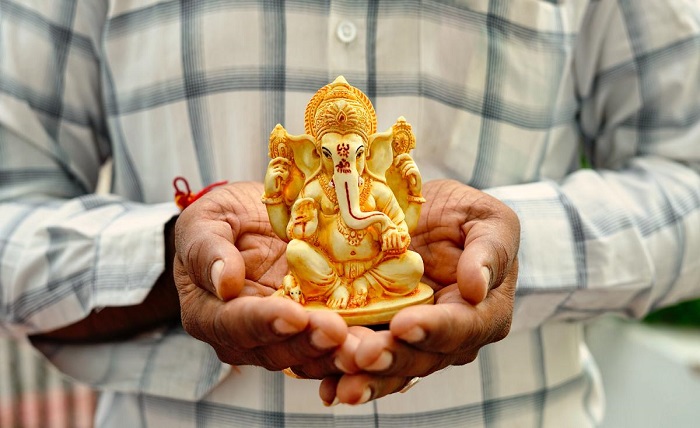
Another significant festival related to chaudas kab hai is Anant Chaturdashi. This day marks the conclusion of Ganesh Chaturthi celebrations in many parts of India.
Devotees searching chaudas kab hai may be preparing for Ganesh Visarjan ceremonies. The day is filled with devotion, processions, and prayers dedicated to Lord Ganesha.
Masik Shivaratri
The monthly observance of Masik Shivaratri also makes chaudas kab hai a frequently searched term. Devotees worship Lord Shiva and observe fasts seeking spiritual growth and blessings.
Knowing chaudas kab hai helps devotees schedule temple visits, night vigils, and special prayers associated with Masik Shivaratri.
How to Check the Exact Date of Chaudas
Since the date changes regularly, people often wonder chaudas kab hai and where to find accurate information. The most reliable source is a Hindu Panchang or calendar.
When checking chaudas kab hai, it is important to look at the start and end time of Chaturdashi tithi rather than relying solely on the calendar date. Hindu rituals are based on tithi timing, which may overlap across two Gregorian dates.
Many devotees searching chaudas kab hai also use mobile apps, temple websites, and traditional almanacs. These resources provide detailed information about lunar dates and auspicious timings.
Understanding the exact timing of chaudas kab hai ensures that rituals and fasting practices are performed according to tradition.
Rituals and Fasting Observed on Chaudas
The question chaudas kab hai is often followed by curiosity about the rituals observed on this day. Fasting is one of the most common practices associated with Chaturdashi.
Devotees who search chaudas kab hai may choose to observe a partial or complete fast. The purpose of fasting is to cultivate self-discipline and spiritual awareness.
Temple worship is another important aspect of chaudas kab hai observances. Many people visit temples early in the morning and offer prayers to their chosen deity.
Charitable activities are also encouraged when observing chaudas kab hai. Donating food, clothing, and essential items is considered highly meritorious.
Meditation, chanting, and reading sacred texts often accompany the observance of chaudas kab hai, helping devotees focus on spiritual growth and inner peace.
Benefits of Observing Chaudas
People searching chaudas kab hai are often interested in the spiritual benefits associated with Chaturdashi. According to Hindu beliefs, sincere observance of this sacred day can bring peace, prosperity, and divine blessings.
One benefit linked to chaudas kab hai is spiritual purification. Fasting and prayer help devotees reduce distractions and strengthen their devotion.
Another advantage of observing chaudas kab hai is the opportunity for self-reflection. Many individuals use the day to evaluate their actions and seek personal improvement.
Religious traditions suggest that worship performed on chaudas kab hai can help remove obstacles and attract positive energy. This belief motivates millions of devotees to observe the day with dedication.
The social aspect of chaudas kab hai is equally important. Families often gather for prayers, strengthening bonds and preserving cultural traditions.
Regional Variations in Chaudas Celebrations
The significance of chaudas kab hai may vary across different regions of India. While the tithi remains the same, local customs and traditions influence the way it is celebrated.
In northern India, people searching chaudas kab hai often associate the day with Narak Chaturdashi and Diwali preparations. Homes are cleaned, decorated, and illuminated.
In western India, chaudas kab hai may be linked to Ganesh Visarjan ceremonies during Anant Chaturdashi. Large processions and community celebrations are common.
In southern India, the observance of chaudas kab hai often includes special temple rituals and traditional prayers dedicated to various deities.
These regional differences highlight the cultural richness surrounding chaudas kab hai and demonstrate how one lunar date can hold multiple meanings.
Conclusion
The question chaudas kab hai is important for anyone who follows Hindu traditions and festivals. Chaudas, also known as Chaturdashi, is a significant lunar day associated with devotion, fasting, and spiritual growth. Whether it is Narak Chaturdashi, Anant Chaturdashi, or Masik Shivaratri, knowing chaudas kab hai helps devotees perform rituals at the correct time and receive the spiritual benefits associated with the observance. Always consult a reliable Panchang to confirm chaudas kab hai for the specific month and festival you wish to observe.
FAQs
1. Chaudas kab hai?
The exact answer to chaudas kab hai depends on the month and lunar calendar. Check a current Panchang for accurate Chaturdashi dates.
2. What is the meaning of Chaudas?
When people ask chaudas kab hai, they refer to Chaturdashi, the fourteenth day of the lunar fortnight in the Hindu calendar.
3. Why is Chaudas important?
The importance of chaudas kab hai comes from its connection to major festivals, fasting traditions, and worship of Lord Shiva.
4. Can I fast on Chaudas?
Yes, many devotees who search chaudas kab hai observe fasting and perform prayers for spiritual benefits.
5. How can I check the correct Chaudas date?
To know chaudas kab hai, consult a reliable Hindu Panchang, temple calendar, or trusted religious app that provides tithi timings.